If you are thinking about selling your Redmond home, timing can shape your result almost as much as price. In a market with steady demand, more buyer choice, and less of the old frenzy, it is normal to wonder when to list and how much prep really matters. The good news is that a smart plan can help you protect your first impression, attract serious buyers, and avoid chasing the market later. Let’s dive in.
Why timing matters in Redmond
Redmond continues to benefit from a strong local job base and ongoing housing demand. The city reports more than 80,000 residents and about 99,000 jobs, with major employment tied to technology, aerospace, and interactive media. Microsoft remains a major local employer, and the city notes that its Redmond campus continues to expand.
That backdrop supports buyer demand, including people moving for work or changing homes within the Eastside. At the same time, today’s market is more balanced than the peak pandemic years. As of spring 2026, Redmond had 325 homes for sale, a median listing price of $1.35 million, a median sold price of $1.465 million, and a median 25 days on market in March 2026, with homes selling for about asking price on average.
For sellers, that creates an important shift. You are not selling into a market where almost anything will fly off the shelf. Buyers have more options now, which means your timing, pricing, and presentation need to work together.
Best time to sell in Redmond
Spring is still the strongest window
The clearest seasonal pattern points to spring. Realtor.com’s 2026 research found that the Seattle metro’s best week to sell is March 29 through April 4, and it also noted that high-demand tech hubs often see the spring market start early.
For many Redmond homeowners, that means the ideal launch window is late March or early April. In some cases, early to mid-March can also make sense if you want to get ahead of the larger wave of competing listings. The main goal is to be ready before the market feels crowded.
Why early spring gives sellers an edge
The first days on market usually bring the most buyer attention. If your home is well prepared and priced correctly from day one, you have a better chance of generating strong interest before buyers get distracted by a larger pool of listings.
That matters even more in a market where realistic pricing is becoming more important. Realtor.com reported that 16.2% of for-sale homes nationally had price reductions in March 2026, while also noting that sellers are increasingly choosing a sharper initial price instead of relying on later cuts. In practical terms, a strong debut often works better than correcting course after the listing has cooled.
What if you miss the spring market?
Missing spring does not mean you missed your chance. Homes still sell in summer and fall, and Redmond remains a seller-leaning market overall. NWMLS reported that King County had 3 months of inventory in April 2026, which still points to seller-friendly conditions.
Still, fall usually becomes more price-sensitive. Realtor.com’s seasonal research says price reductions tend to rise in the fall, while listing views often cool in late summer and early fall. If you sell later in the year, buyers may be more selective, so pricing discipline and polished presentation become even more important.
Pricing strategy matters more now
Use neighborhood data, not just city averages
One of the biggest mistakes sellers make is leaning too hard on one citywide number. Redmond is not one-size-fits-all. Neighborhood-level data can vary widely in both pricing and pace.
Realtor.com’s Redmond neighborhood data shows median listing prices ranging from about $605,000 in Downtown Redmond to more than $2.1 million in North Redmond. Overlake is around $1.625 million, and the pace can differ too, with Bear Creek at 58 median days on market compared with 19 in English Hill.
That spread tells you something important. The right list price should be based on your neighborhood, your home’s condition, and the likely buyer pool for your property. A Redmond average may be useful for context, but it should not be the main driver of your pricing strategy.
Why overpricing can backfire
In a market with more inventory, buyers compare homes more carefully. If your home comes out too high, it may sit longer, and that can weaken your position. Once a listing starts to feel stale, even a later price cut may not recreate the attention you could have captured in week one.
That is why a data-driven launch matters. A realistic price supported by neighborhood comps can help you draw stronger early interest and reduce the risk of multiple reductions later.
Presentation is part of your selling strategy
Pricing gets buyers to notice your home. Presentation helps them picture themselves living there. In Redmond’s current market, those two pieces go hand in hand.
The National Association of Realtors’ 2025 staging report found that 49% of agents said staging reduced time on market. It also found that 83% of buyers’ agents said staging made it easier for buyers to envision a property as their future home, and 29% of agents said staging led to a 1% to 10% increase in value offered.
That does not mean every seller needs a full redesign. It does mean your home should look clean, cared for, and easy to understand online and in person.
Focus on the details buyers notice first
According to the research, the living room, primary bedroom, and kitchen are some of the rooms buyers notice most when staged. Before listing, it helps to focus on the basics that support a strong first impression:
- Declutter surfaces and storage areas
- Depersonalize rooms so buyers can focus on the space
- Handle paint touch-ups and small repairs
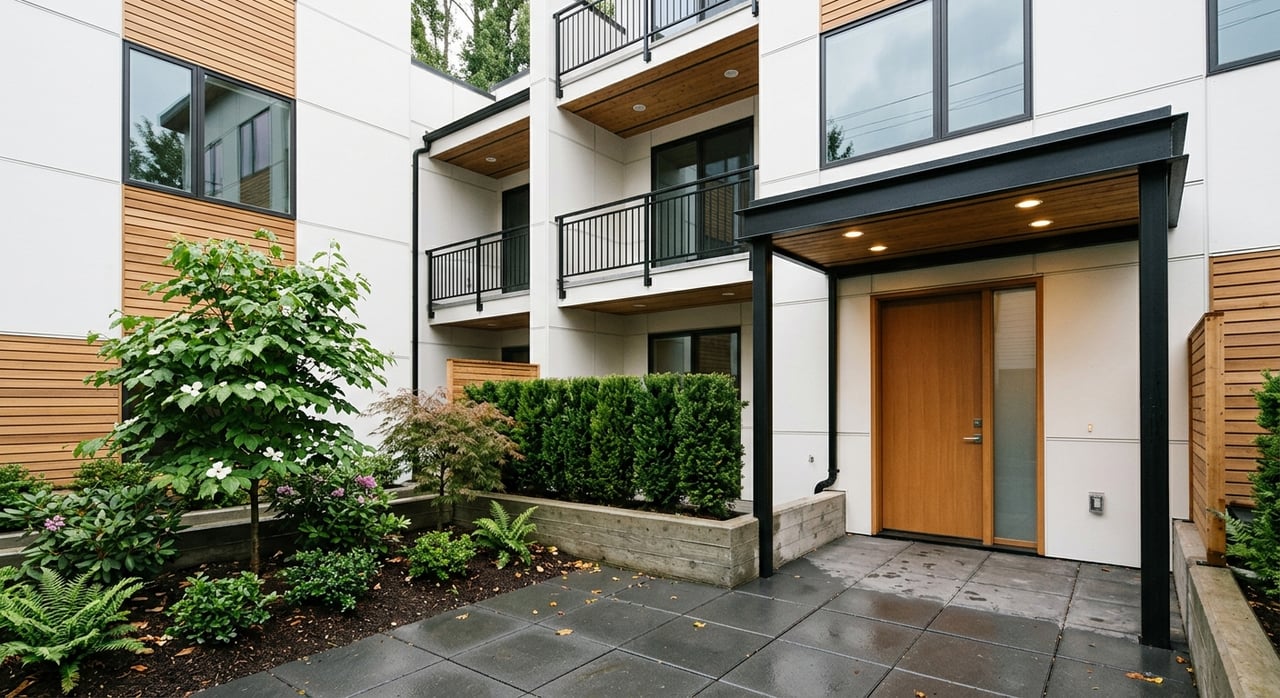
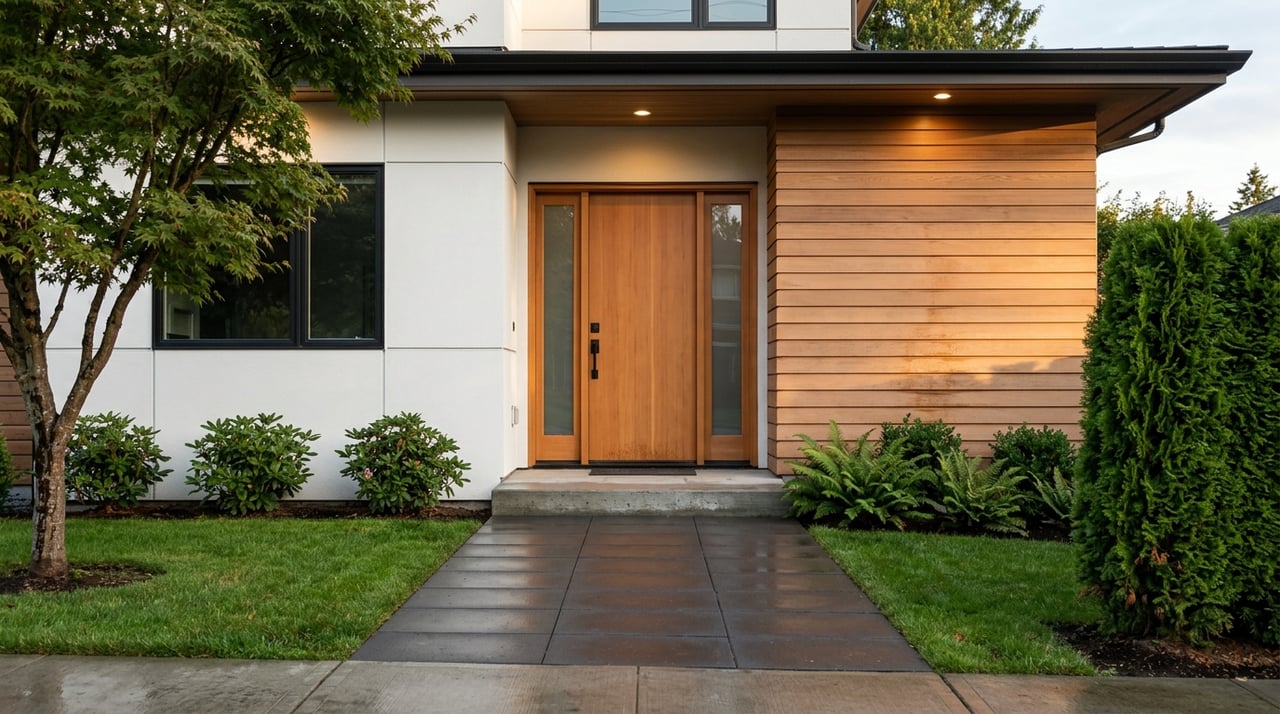
- Improve curb appeal with clean landscaping and tidy entry areas
- Deep clean the home before photography and showings
- Address odors before the home goes live
- Remove excess furniture if rooms feel crowded
These steps are not just about appearance. They support your launch strategy by helping the home show better in photos, in person, and during that critical first week on market.
A practical timeline for selling your Redmond home
If you want the best chance of hitting the late March to early April window, it helps to start earlier than you think. Realtor.com’s 2026 seller research found that 53% of sellers took one month or less to get ready to list, which suggests many homeowners underestimate the work involved.
A more realistic plan is to start preparing 8 to 12 weeks before your target listing date. That gives you time to make decisions without rushing and helps you launch when the market is most active.
8 to 12 weeks before listing
This is the planning stage. Start with a comparative market analysis so you can understand where your home fits in the current Redmond market.
You should also decide whether to sell as-is or complete targeted updates first. If repairs or contractor work are needed, line those up early. This is also a good time to begin decluttering, especially in the living room, primary bedroom, and kitchen.
4 to 6 weeks before listing
Now the focus shifts to presentation. Finish paint touch-ups, curb appeal work, and smaller repairs that could affect buyer perception.
This is also the right time to depersonalize the space, remove extra furniture, and schedule staging and professional photography. A deep clean should happen before the listing photos and showings begin.
Final 1 to 2 weeks before listing
As launch day gets closer, lock in the list price and your target go-live date. You should also set clear showing guidelines and have a plan for how to respond to early market feedback.
The goal is simple: be fully ready before the listing goes live. Since the first burst of exposure often matters most, you want every part of the home and pricing strategy in place from day one.
The right Redmond selling strategy in 2026
If you are selling in Redmond this year, the strongest pattern is clear. Prep early, price realistically, and aim for late March to early April if your timeline allows.
Redmond still benefits from strong demand and a healthy employment base, but buyers have more choices than they did a year ago. That makes strategy more important, not less. The homes that tend to perform best are the ones that launch prepared, show well, and are priced with neighborhood-level evidence in mind.
If you want a personalized plan for your home, neighborhood, and timing, Vidya Vadakoot offers data-driven, concierge-level guidance to help you sell with less stress and a clearer strategy.
FAQs
When is the best time to list a home in Redmond?
- For many Redmond sellers, the strongest launch window is late March to early April, with some homes benefiting from an early to mid-March debut to get ahead of peak spring competition.
How should Redmond homeowners price a home for sale?
- Redmond homeowners should price based on neighborhood comps, property condition, and likely buyer demand for that specific home rather than relying only on citywide averages.
Is fall a bad time to sell a Redmond home?
- Fall is not a bad time to sell, but it is usually more price-sensitive than spring, so sellers often need sharper pricing and stronger presentation to stand out.
How far in advance should Redmond sellers prepare to list?
- A practical timeline is to begin preparing 8 to 12 weeks before your target listing date so you have enough time for repairs, decluttering, staging, photography, and pricing decisions.
Does staging really help when selling a Redmond home?
- Staging and presentation can help reduce time on market and make it easier for buyers to picture the home, especially during the important first week after the listing goes live.