Is Bellevue calling your name, but you are not sure what daily life actually feels like? With its lake views, tech-driven job market, and mix of urban and suburban neighborhoods, the city can look different block by block. You want a clear picture before you commit time, money, and energy to a move. In this guide, you will get a practical look at neighborhoods, commutes, costs, schools, parks, and culture, plus simple steps to decide where you fit. Let’s dive in.
Bellevue at a glance
Eastside hub with an urban core
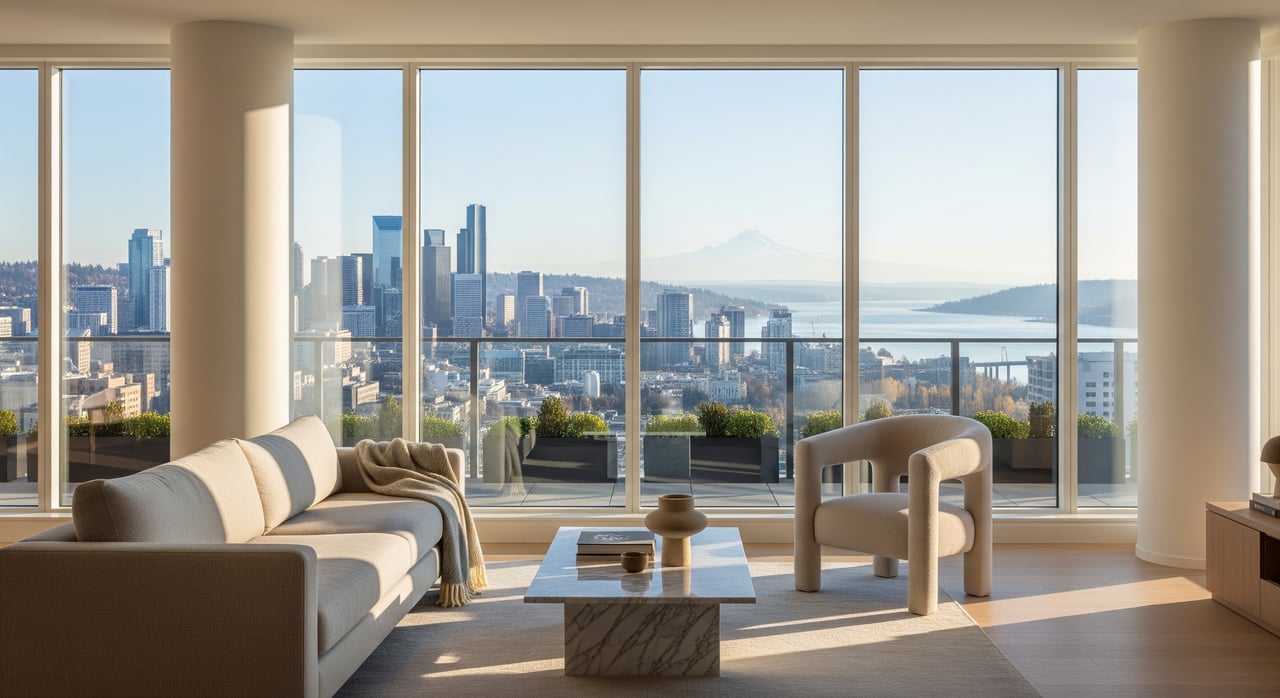
Bellevue sits on the east side of Lake Washington across from Seattle. It is a major Eastside center for employment, shopping, and culture. Downtown brings a true city feel with high-rises, restaurants, and a walkable grid. Outside the core, many neighborhoods feel quiet and residential.
Who lives here
You will find a highly educated, professional population with many people in tech, management, and related fields. Bellevue’s international communities are a big part of daily life and shape the dining and shopping scene. Households range from single professionals in apartments and condos to families in single-family neighborhoods and retirees enjoying established areas.
Neighborhoods and housing
Downtown living
If you want walkability, restaurants, and quick transit access, downtown is your spot. High-rise condos and apartments line the streets near major shopping destinations like Bellevue Square and its surrounding mixed-use blocks. Expect structured parking, a lively daytime crowd, and growing nightlife.
Bel-Red and the Spring District
This corridor is evolving from light industrial to mixed-use. You will see newer apartments, townhomes, and modern office spaces. Transit access and bike-friendly routes are improving, which suits residents who want a short hop to both Bellevue and Redmond job centers.
West and South/East Bellevue
Areas like Enatai and Meydenbauer sit closer to the lake with established homes and access to waterfront parks. East and South Bellevue, including neighborhoods like Somerset, offer more green space, larger lots, and quieter streets. These areas tend to be car dependent, with transit hubs a short drive away.
Factoria and Newport Hills
Along I-405, these neighborhoods offer a classic suburban feel with convenient retail centers. Many residents commute to nearby job hubs to the north and south. Housing options include single-family homes, townhomes, and some condos near services.
Housing types and what to expect
Bellevue offers high-rise condos and apartments downtown, mid-rise and townhome options near transit corridors, and a wide range of single-family homes in surrounding neighborhoods. Newer construction has added more condo and apartment supply in recent years. Prices and rents are well above the national average, so most buyers and renters focus on trade-offs between space, location, and commute.
How to choose your area
- Map your daily needs: commute, school routes, grocery, green space.
- Decide on home type: condo, townhome, or single-family.
- Test the commute at your typical hours.
- Walk the neighborhood during the day and evening to feel the pace.
Getting around and commuting
Transit options
Regional light rail and express buses serve Bellevue and connect to Seattle, Redmond, and nearby Eastside cities. Local bus routes fill in neighborhood coverage. If you plan to drive, major routes include I-405 north-south and SR 520 and I-90 east-west.
Peak-hour realities
Congestion is common on I-405, SR 520, and I-90 during rush hours. Travel times vary by time of day and direction. For downtown-to-downtown trips, transit can be competitive, especially if you can walk to a station or express stop.
Parking and car life
Downtown garages, employer parking, and paid public options are common in the core. In outer neighborhoods, you will rely more on driveways, garages, and on-street parking. If you use park-and-ride facilities, plan your timing since peak hours can fill quickly.
Everyday amenities
Parks and shoreline access
Bellevue Downtown Park gives you a big green lawn and a loop path in the center of the city. Mercer Slough Nature Park offers wetland trails and paddling access for a quick nature reset. You can enjoy the lake at Meydenbauer Bay Park and Enatai Beach, where you will find walking paths and open space.
Dining and shopping
Bellevue Square anchors a major retail hub, with Lincoln Square and The Bravern nearby. Dining is diverse, with many Asian and international options alongside upscale and casual American fare. The scene has grown with the city’s office and residential expansion, so you can keep a regular rotation of new spots.
Arts and community events
The Bellevue Arts Museum and seasonal festivals bring a steady calendar of exhibits and events. Outdoor concerts and community gatherings give residents regular reasons to get outside. Nightlife is more relaxed than central Seattle, but you will find cocktail bars, wine bars, and hotel lounges downtown.
Healthcare and schools
Overlake Medical Center is a major hospital serving the area, and you can reach regional specialty centers across the Eastside and Seattle. The Bellevue School District is well regarded in the region. If school performance matters to you, review official district and state reports to compare specific schools.
Higher education
Bellevue College supports transfer, workforce, and continuing education programs. Regional universities, including the University of Washington, are within reasonable commuting distance.
Cost of living, taxes, and value
Bellevue is a high-cost city by Washington standards, with housing as the biggest line item. Groceries, utilities, and services tend to track at or above regional averages. Washington does not have a state income tax, which affects take-home pay, but sales and property taxes apply. Many buyers choose Bellevue for access to jobs, amenities, and long-term value, then fine-tune neighborhood choices to align with budget.
Weekends and outdoor escapes
Beyond city parks, you are a short drive from trail networks and regional open spaces for hiking and biking. Many residents plan day trips to the Cascades and Olympic Mountains. Winter skiing, summer lake days, and shoulder-season hikes are all within roughly 1 to 2 hours by car.
Growth and what’s next
Transit investments and station-area planning continue to shape new housing and office development, especially in the Spring District, Bel-Red, and downtown. Redevelopment of older commercial areas into mixed-use neighborhoods is ongoing. City planning aims to balance employment growth, housing diversity, and transportation improvements, so expect continued evolution in key corridors.
Is Bellevue a fit for you?
- You want an urban lifestyle with walkability near work and dining. Downtown and mixed-use districts may be a match.
- You value space and quiet streets with nearby parks. Established single-family neighborhoods across East and South Bellevue might fit your pace.
- You need transit access and a short hop to Redmond or Seattle offices. Areas near regional bus and light-rail connections can streamline your commute.
- You prefer variety in dining, shopping, and cultural events. The core retail districts and nearby neighborhoods offer steady options.
How to start your Eastside home search
- Set your must-haves: commute window, school needs, home type, and budget.
- Get pre-approved to clarify your price range and timeline.
- Shortlist 2 to 3 neighborhoods and tour at your typical hours.
- Review recent MLS evidence for your target areas and property types.
- Line up representation that understands Eastside micro-markets, negotiation, and relocation logistics.
If you want calm, clear guidance from search to closing, connect with a local advisor who works the Eastside every day. Reach out to Vidya Vadakoot to schedule your free consultation.
FAQs
What is daily life like in downtown Bellevue?
- Expect a walkable, high-rise environment with shops, dining, parks, and structured parking, plus growing evening options.
How does commuting from Bellevue to Seattle usually work?
- Many residents use regional light rail or express buses for core-to-core trips, while drivers rely on I-90 and SR 520 and plan around peak-hour congestion.
What should I know about the Bellevue School District?
- It is well regarded regionally; review official district and state reports for school-by-school performance and enrollment details.
Are parks and outdoor activities easy to access in Bellevue?
- Yes, you can enjoy city parks, lakeside green spaces, and nature preserves in town, with regional hiking and skiing within a short drive.
How expensive is housing in Bellevue right now?
- Costs are high relative to national averages; check current MLS and local market reports for up-to-date prices and rental trends.